

Learn how to read your P&L, balance sheet, and cash flow statement to make confident business decisions
As a business owner, your monthly financial reports aren’t just paperwork. They’re a story.
They tell you:
Whether you’re actually profitable
Where your money is going
If cash flow is healthy
Whether your business is growing sustainably
But most business owners never learned how to read that story.
Let’s change that.
Below are the three key reports you should review every month, and what they’re really telling you.
Profit & Loss Report (P&L)
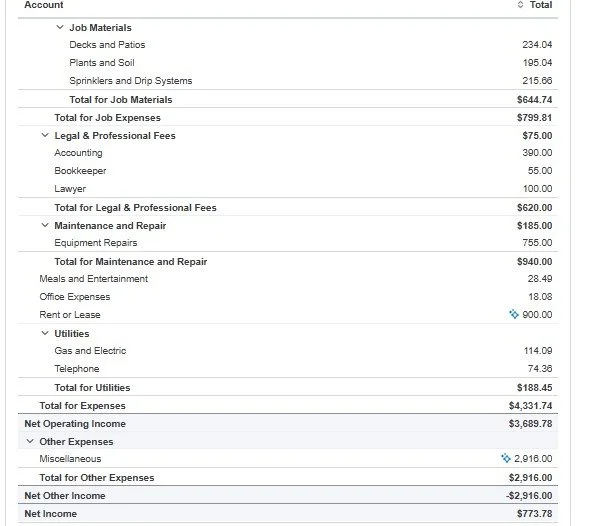
Example of a P&L Report
Also called an income statement, your Profit & Loss shows:
Income - Expenses = Net Profit
What It’s Telling You:
Are you profitable? Revenue alone doesn’t mean success. If expenses are creeping up just as fast, profit shrinks.
Are your expenses under control? Look for:
Subscriptions you forgot about
Rising cost of goods
Increasing payroll percentages
Marketing that isn’t producing return
Are you growing or just busy? If revenue is increasing but profit margin is shrinking, that’s a red flag.
Your P&L answers the question, “Is this business making money?”
Balance Sheet
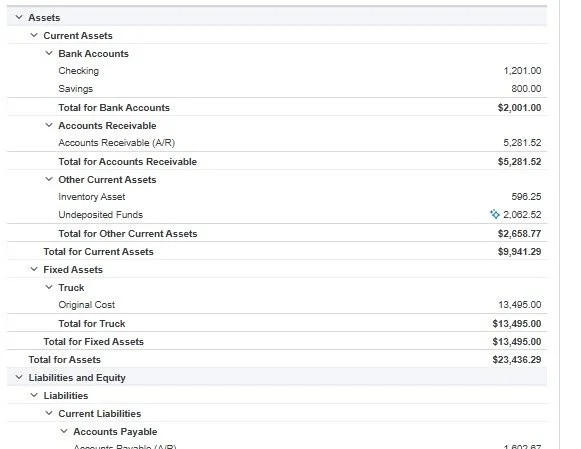
Example of a Balance Sheet
The Balance Sheet shows:
Assets - Liabilities = Equity
In simple terms:
What you own
What you owe
What’s left over
What It’s Telling You:
How much debt are you carrying? High credit balances or loans may be manageable or they may signal risk.
Do you actually have cash? A profitable business can still struggle if money is tied up in receivables or inventory.
Is your business building value? Increasing equity over time means you’re creating something sustainable.
Your Balance Sheet answers, “How financially stable is this business?”
Cash Flow Statement
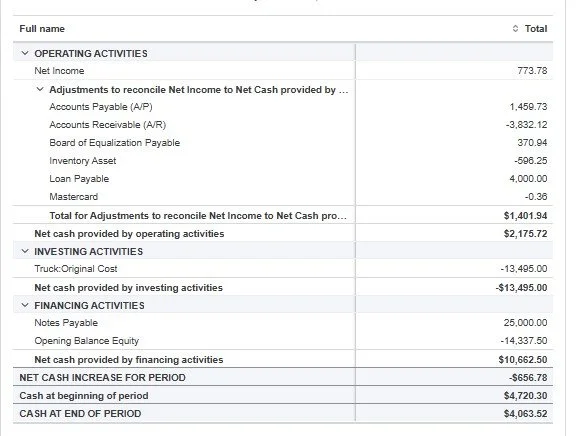
Cash flow is different from profit. This is where many business owners get confused.
You can be profitable on paper and still not have enough cash to cover payroll.
What It’s Telling You:
Is money coming in fast enough? If customers take 45 days to pay but expenses are due in 15, you’ll feel constant pressure.
Are you spending ahead of your revenue? Large inventory purchases or equipment investments can temporarily strain cash.
Is your business predictable? Healthy cash flow creates stability and reduces stress.
Your Cash Flow Statement answers, “Can this business breathe?”
Why Monthly Reviews Matter
Looking at reports once a year at tax time is reactive. Reviewing them monthly is proactive.
When you review monthly, you can:
Adjust pricing before margins shrink
Reduce expenses before cash becomes tight
Catch errors early
Make confident decisions instead of emotional ones
Financial clarity builds business confidence.
And confidence changes how you lead.
The Truth Most Business Owners Don’t Hear:
Financial reports aren’t complicated.
They just require:
Consistent monthly review
And someone who can translate the numbers into plain English
When your books are organized and current, your reports become tools, not stress triggers.
If you’re receiving monthly reports but not sure what they’re saying, you’re not alone.
Clean books are the foundation but understanding them is where growth begins.
If you’d like your reports delivered accurately, consistently, and explained in plain language, I’d love to help.
Because when you understand your numbers, you lead differently.
